
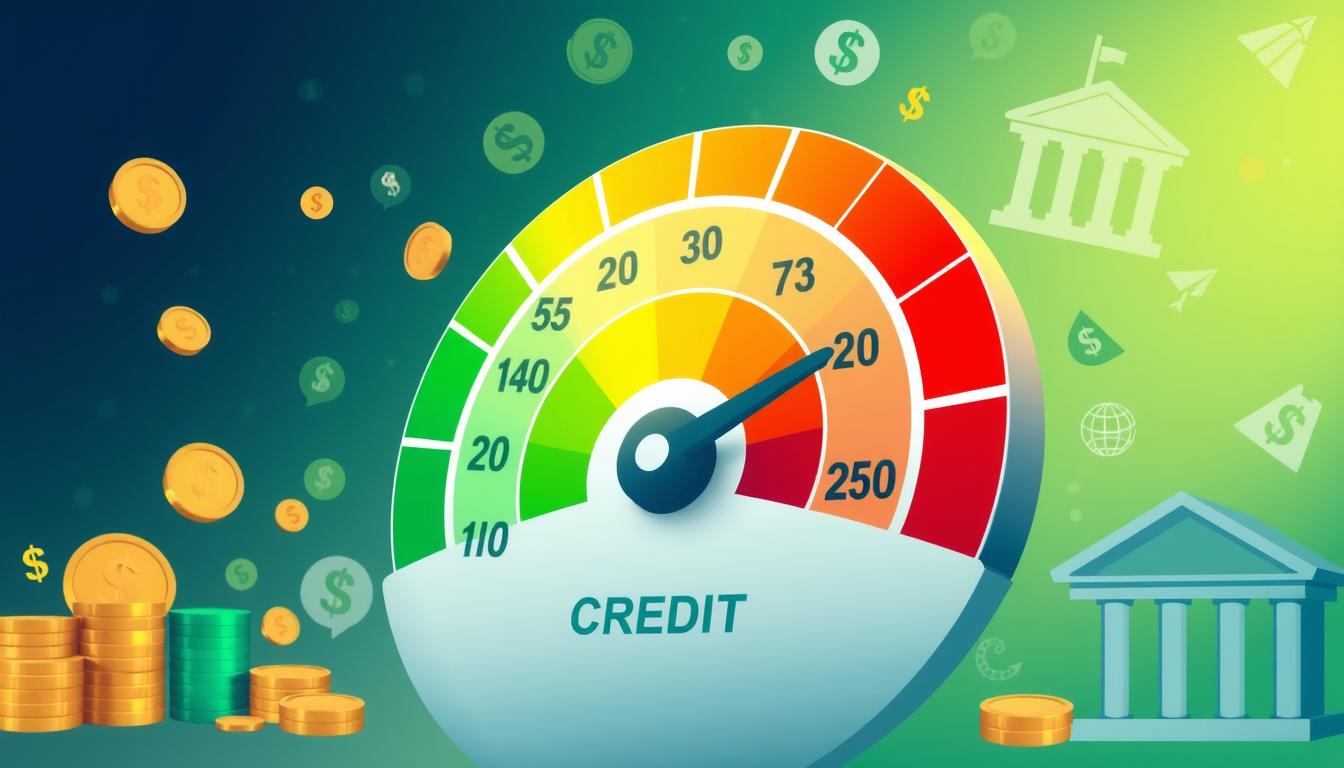
Ever wondered what your credit score really means? These three-digit numbers are crucial in our financial lives. Let’s explore what they measure and how they affect your future.
We’ll look into different scoring models and what affects them. You’ll learn how to improve your credit health. This guide aims to clear up the mystery around credit scores.
Your credit score shows your financial responsibility. But do you know what it tells lenders? Learn how to make your credit score work for you.
Quick recommendation: Our blog is filled tips and tricks to help you on your credit journey. If you're seeking a comprehensive program, we recommend Credit Repair Cloud.
What Is a Credit Score?
Your credit score is a key number that shows how trustworthy you are with money. It’s a three-digit number, usually between 300 and 850. Lenders look at this score to decide if they should lend to you.
This score is based on how well you’ve handled your money in the past. It shows if you’ve paid bills on time and managed your debt wisely.
Lenders use your credit score definition to guess if you’ll pay back what you borrow. A higher score means you’re less risky. This can lead to better loan terms, like lower interest rates.

Your score is influenced by several things. These include how you’ve paid bills, how much credit you use, how long you’ve had credit, and the types of credit you have. Keeping an eye on your score and knowing what affects it can help you make smart money choices.
The Different Credit Scoring Models
Understanding your credit score is key. In the United States, there are two main models: FICO and VantageScore. These models help decide if you’re a good credit risk. They affect your chances of getting loans, credit cards, and more.
The FICO score is from Fair Isaac Corporation. It goes from 300 to 850, with higher scores meaning less risk. It looks at your payment history, how much credit you use, how long you’ve had credit, and the types of credit.
VantageScore, on the other hand, was made by Experian, Equifax, and TransUnion. It also ranges from 300 to 850. But it might look at different things, like your credit mix and recent inquiries.
Both FICO and VantageScore are used by lenders to check your credit. But, different lenders might use different models or look at things differently. So, your score can change depending on the model. It’s important to keep an eye on your credit reports from all three major bureaus.
Factors That Influence Your Credit Score
Your credit score shows how well you handle money. It’s key to know what can change it. Important factors include your payment history, how much credit you use, how long you’ve had credit, and the types of credit you have.
Payment history is the biggest factor, making up 35% of your score. Paying on time helps your score. But, late or missed payments hurt it. Credit utilization, or how much credit you use, is also big, at 30% of your score. Using less than 30% of your available credit is good for your score.
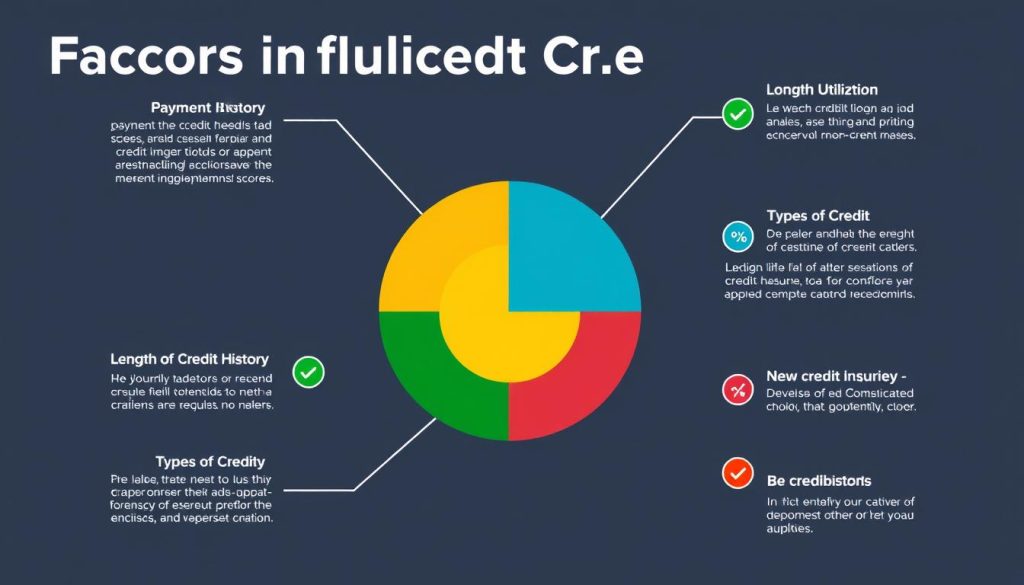
The length of your credit history is 15% of your score. The longer you’ve had good credit, the better. Also, using different types of credit, like cards and loans, adds 10% to your score.
Knowing these factors helps you improve your financial health. Check your credit report often and fix any problems. A good credit score can lead to more financial opportunities.
Quick recommendation: Our blog is filled tips and tricks to help you on your credit journey. If you're seeking a comprehensive program, we recommend Credit Repair Cloud.
Understanding Credit Scores: What Do the Numbers Mean?
Your credit score shows how good you are at managing money. It ranges from 300 to 850. A higher score means you’re less risky for lenders. Scores of 700 or above are good, while below 600 are poor.
Lenders look at your score to see if you’ll pay back loans on time. A high score means you’re reliable, leading to better loan terms and lower interest rates. But a low score can make it hard to get credit or lead to worse terms.
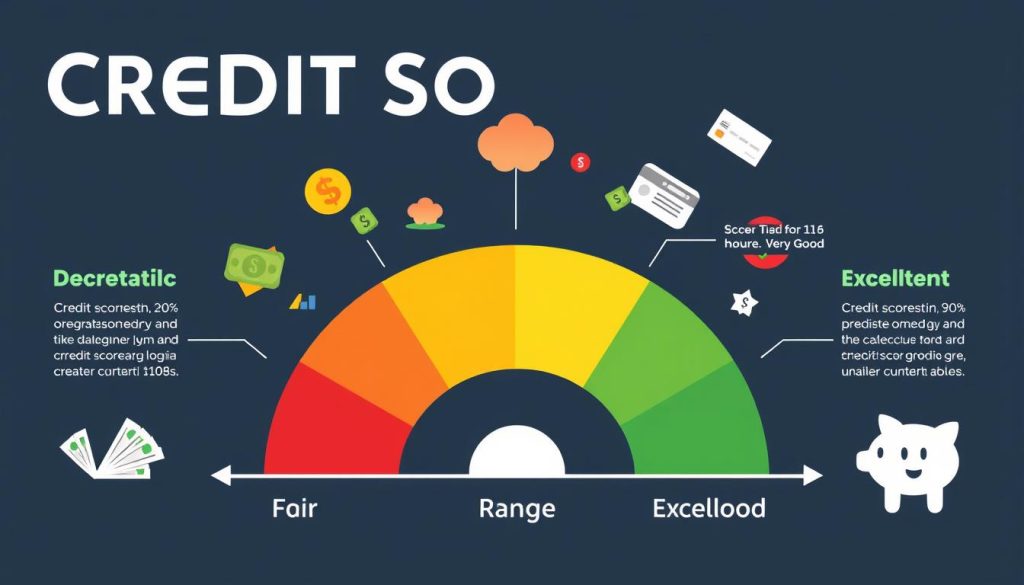
Credit scores vary based on the model, like FICO or VantageScore. But the basic idea is the same: a higher score means better credit opportunities. Keeping an eye on your score and maintaining a good credit profile opens more financial doors for you.
Checking Your Credit Score
It’s important to keep an eye on your credit score. This number shows how good you are at managing money. It affects your chances of getting loans, credit cards, and even jobs. Luckily, you can check your credit score for free in several ways.
Using a free credit report service is a great option. Sites like AnnualCreditReport.com let you see your report from Experian, Equifax, and TransUnion once a year. This report shows your credit history, debts, payment history, and how much credit you use.

Many credit card companies and banks also offer free credit score checks. These services update your score in real-time and offer tips to improve it. Checking your score often helps you catch any mistakes and keep your finances healthy.
Knowing your credit score is key to making smart money choices. It’s vital whether you’re applying for a loan, renting a place, or just keeping an eye on your credit. Understanding your score helps you reach your financial goals.
Improving Your Credit Score
Boosting your credit score is a journey. With the right strategies, you can make significant progress over time. One of the most effective ways is by making timely payments on all your bills. Payment history is the single most important factor in determining your credit score.
So, be sure to pay your bills on time, every time. Another key step is to keep your credit utilization low. This means using only a small percentage of your available credit. Experts recommend keeping your credit utilization below 30% for the best results. Regularly checking your credit report and disputing any errors can also help boost your score.
Remember, improving your credit score takes time and consistency. Stay vigilant, make smart financial decisions, and you’ll be on your way to a stronger, more impressive credit profile.
Credit Scores and Lending Decisions
Your credit score is key when you want to get loans or financing. Lenders look at this number to see if they should lend to you. A good score means you’re reliable, making you more appealing to lenders.
This can lead to better rates, bigger loans, and better terms. But, a bad score might make lenders think you’re riskier. This could mean higher rates, smaller loans, or even a “no” on your loan application.
Keeping an eye on your credit score can help you get the financing you need. It can also save you a lot of money by lowering interest rates. Understanding your credit score and its impact on loans is a smart financial move.
Monitoring Your Credit Health
Keeping your credit in good shape is key today. It’s important to check your credit score and report often. This helps spot problems early and lets you fix them fast.
When you monitor your credit score, you learn what affects it. This knowledge helps you make better money choices. It also improves your credit health over time.
It’s also vital to review your credit report regularly. Look for mistakes or signs of identity theft. If you find something wrong, you can start fixing it right away.
Being active in monitoring your credit health helps you build a solid financial base. It lets you make smart choices for your future. Stay alert and tackle any issues quickly to keep your credit strong.
Conclusion
We’ve looked into why knowing your credit score matters. It’s key for lenders to see if you’re a good risk. This score affects your chances for loans, credit cards, and even jobs.
Learning about credit scores and how to improve them is powerful. You can check your score often and act responsibly with credit. This way, you can boost your score and unlock better financial chances.
Your credit score shows your financial habits and choices. Watching it closely and working to keep it high is crucial. This helps you make smart money decisions and reach your goals.
Quick recommendation: Our blog is filled tips and tricks to help you on your credit journey. If you're seeking a comprehensive program, we recommend Credit Repair Cloud.